
If you’re thinking about orthodontic treatment for yourself or your child, you’ve probably heard two words over and over: braces and Invisalign. Both can give you a straighter, healthier smile—but they do it in different ways, and each has its own perks.
So how do you decide which is right for your family? Let’s break down the differences, the benefits, and what to expect, so you can make a choice that fits your life.
The Basics: How They Work
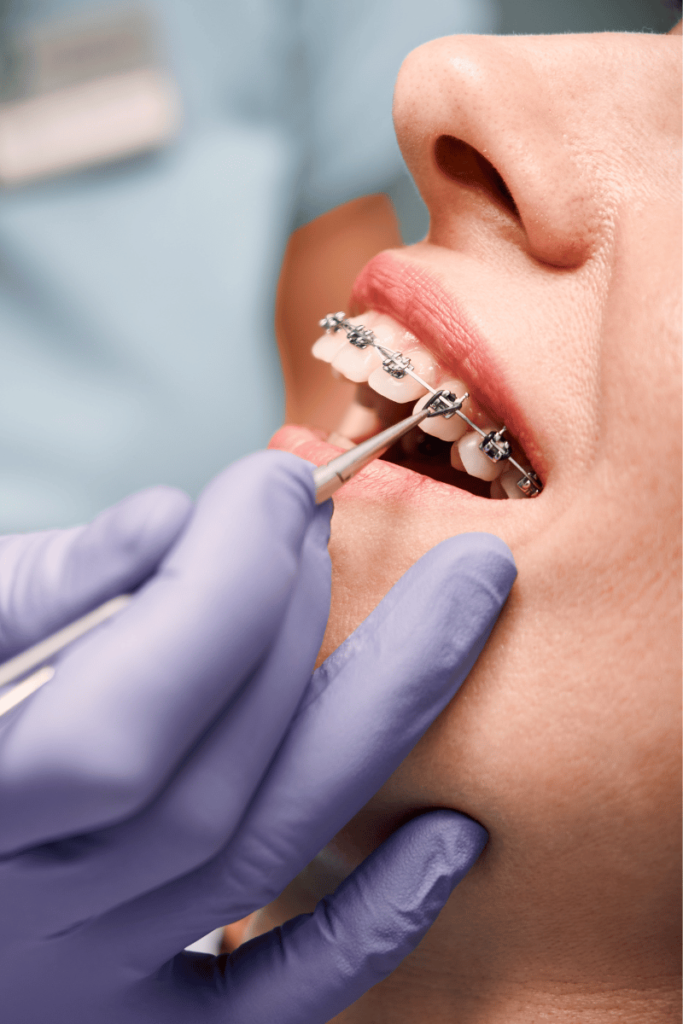
Traditional braces use metal brackets and wires to gradually move your teeth into place. They’re attached to your teeth and adjusted every few weeks by your orthodontist. Braces have been around for decades, and they’re great at fixing everything from minor crowding to more complex alignment issues.
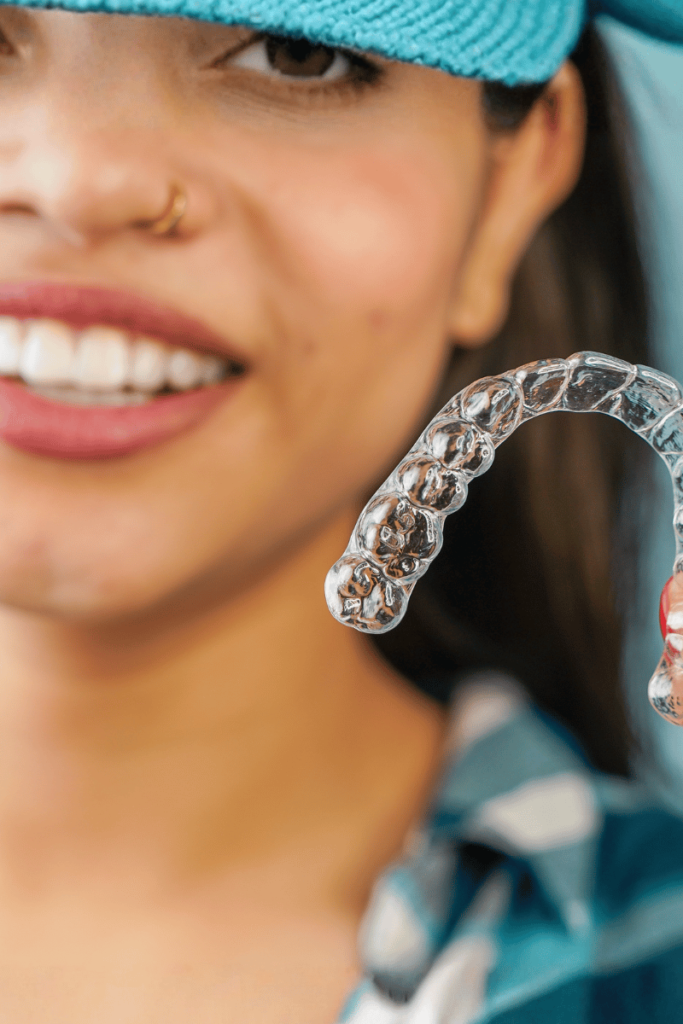
Invisalign is a newer approach. It uses a series of clear, removable plastic aligners that gently shift your teeth over time. You’ll get a new set of aligners every week or two, each one a little closer to your perfect smile. Invisalign is nearly invisible when worn—most people won’t notice you’re wearing them.
Who’s a Good Candidate?
Braces work for just about everyone, no matter how simple or complicated your case might be. They’re especially useful for younger kids and teens who might forget to put aligners back in after meals or snacks. Braces are also the go-to for certain bite problems that require more precise movement.
Invisalign is a popular choice for teens and adults who want a subtle look. It’s best for people with mild to complex issues, and has advanced much over the past tex years. If you’re responsible about keeping them in (and not tossing them in your bag after lunch), Invisalign could be a great fit.
Comfort and Lifestyle
Braces have come a long way—they’re smaller and less noticeable than they used to be. But they do require some adjustments: you’ll need to avoid sticky or crunchy foods, and brushing and flossing takes a little extra time.
Invisalign aligners come out when you eat, so you can keep enjoying popcorn, apples, or whatever you like. Brushing and flossing is just your regular routine. But you have to remember to put them back in after meals—otherwise, treatment can take longer or be less effective. It is recommended to wear Invisalign for at least 22 hours each day for optimal movement.
Results
Both braces and Invisalign can give you fantastic results. Braces might be a better choice for certain cases, but Invisalign can handle most issues if you are receiving care from an experienced orthodontist. The key is following your orthodontist’s instructions—wearing aligners as directed or keeping up with braces appointments.
Cost and Time
The cost of braces and Invisalign is often similar, but it depends on your specific needs and the length of treatment. Some cases wrap up in as little as 6-12 months; others take a couple of years. Your orthodontist will give you a clear idea of what to expect at your first consultation.
So…Which Should You Pick?
There’s no one-size-fits-all answer. At Hester and Morris Orthodontics, we help patients of all ages find the right solution for their smile, their lifestyle, and their budget. Whether you’re leaning towards braces, curious about Invisalign, or just want expert advice, our team is here to guide you.
Ready to take the next step? Schedule a free consultation and find out which option is best for you or your child. Your best smile is closer than you think!