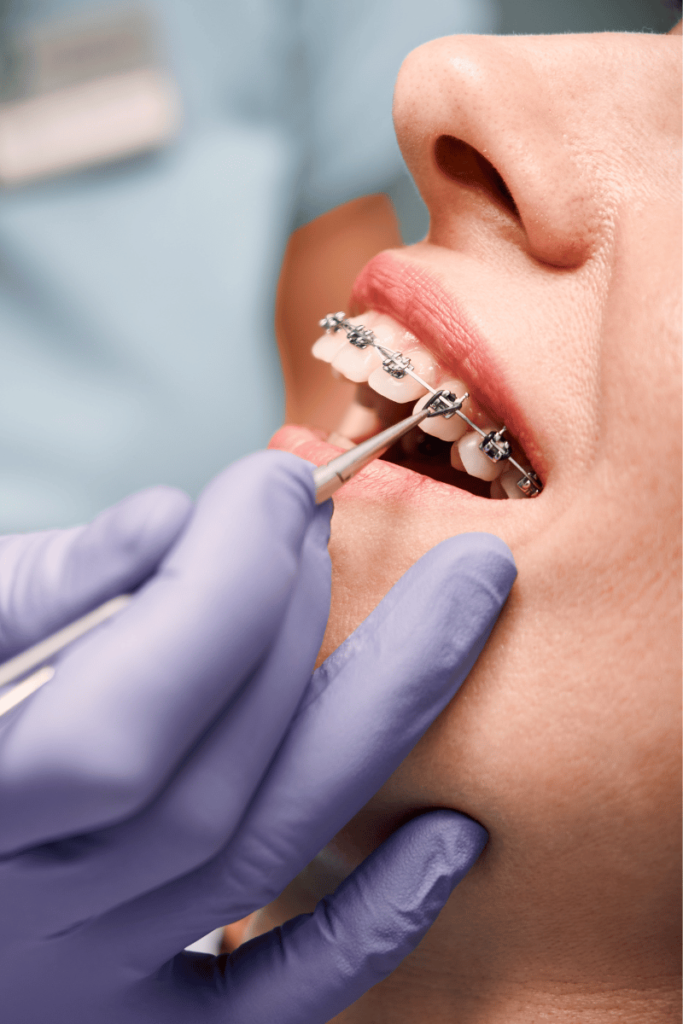
Getting braces is a big milestone, but once the excitement wears off, the day-to-day responsibilities begin. For teens, remembering every instruction isn’t always easy. Parents can help—but the goal is to create good habits without constantly nagging.
Here are a few ways to help your teen stay successful with braces.
Make Oral Hygiene Part of the Routine
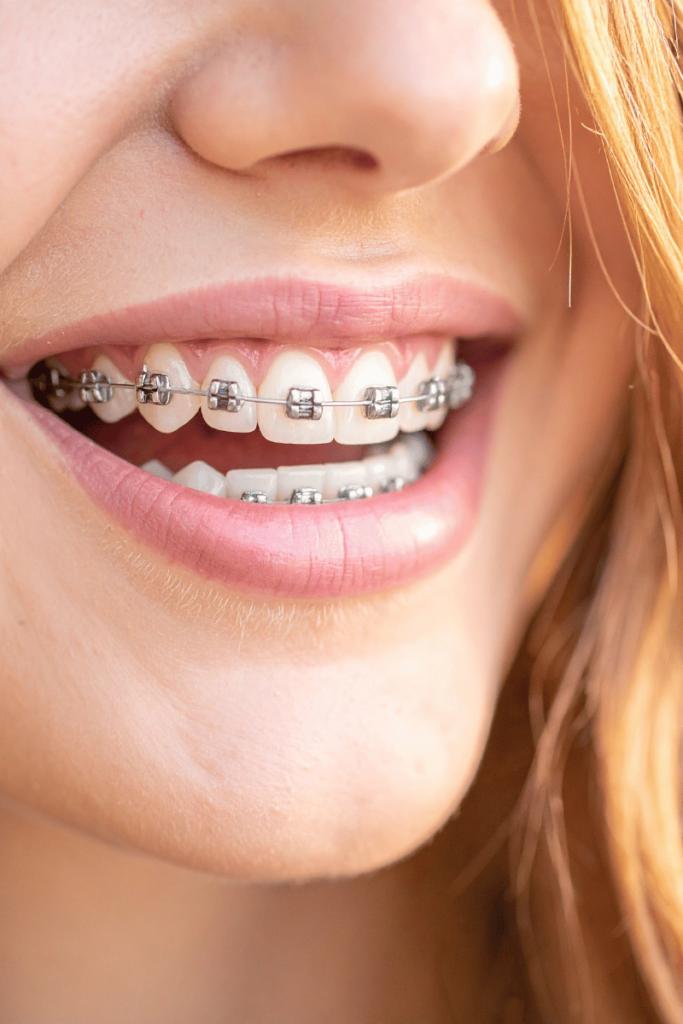
Brackets and wires create extra places for food and plaque to collect, making good brushing and flossing especially important. Instead of repeatedly reminding your teen, connect brushing to routines they already have—after breakfast and before bed, for example.
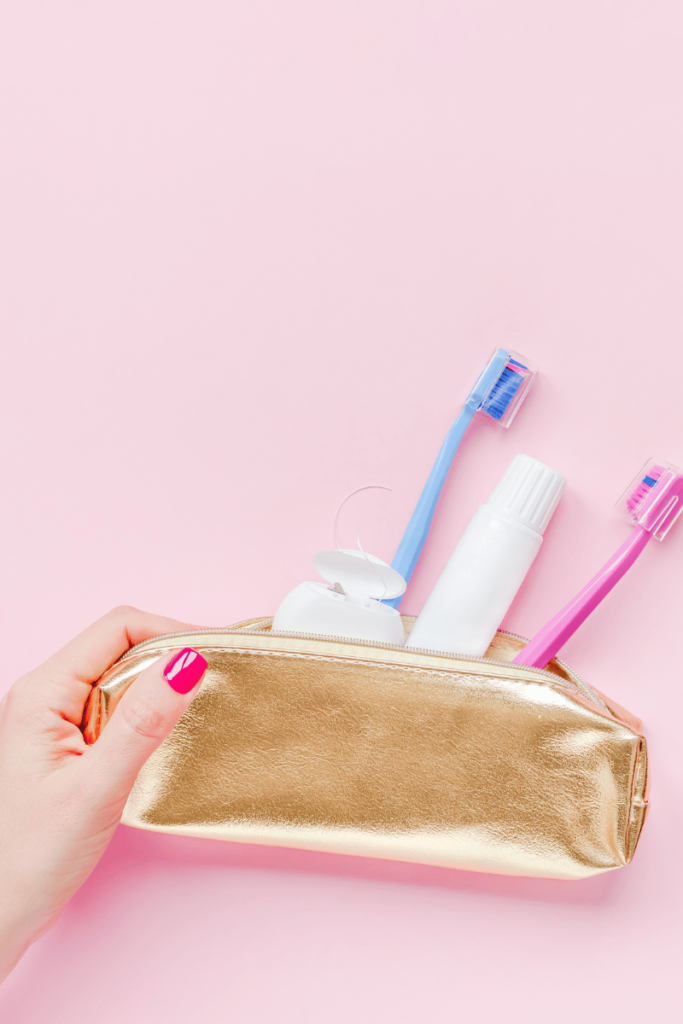
Keep orthodontic supplies easy to find, and consider creating a small travel kit with a toothbrush and other recommended cleaning tools for school, sports, or activities.
Help Them Make Braces-Friendly Food Choices
Hard, sticky, and chewy foods can damage braces, potentially leading to broken brackets and unwanted treatment interruptions.
Stock the house with foods your teen enjoys that are also braces-friendly. When eating out, encourage them to think ahead about choices that won't put their appliances at risk.
Follow Instructions for Elastics
If your teen is prescribed rubber bands, wearing them exactly as instructed is important. Elastics only work when they're being worn!
Help your teen establish cues, such as putting in fresh elastics after brushing. Keeping extra elastics in their backpack or sports bag can also help.
Let Your Teen Own Their Treatment
Parents play an important role, but ultimately, orthodontic success requires teamwork.
Encourage your teen to ask questions at appointments and understand what they need to do between visits. Recognize when they're doing a good job rather than focusing only on mistakes.
At Hester & Morris Orthodontics, we know nobody is perfect! What matters is building consistent habits that help treatment stay on track.
Parents, teens, Dr. Morris, and our smile team are all working toward the same goal: a healthy, confident smile!
The first week with braces is an adjustment period, and it’s completely normal to have questions. At Hester & Morris Orthodontics, we want patients and parents to know what to expect so those first few days can feel as easy and stress-free as possible.
Expect Some Tenderness
During the first few days, your teeth may feel sore or tender when you bite or chew. That’s a sign that your braces are beginning to do their job.
For most patients, this discomfort improves as the mouth adjusts. Choosing soft foods for the first few days can make eating much more comfortable.
Some easy options include pasta, macaroni and cheese, eggs, oatmeal, yogurt, soups, smoothies, soft fruits, and mashed potatoes. As your teeth become less tender, you can gradually return to your normal braces-friendly diet.
Your Mouth May Feel Different
Your new brackets and wires can feel a little strange at first. Your cheeks and lips simply aren’t used to them yet!
If a bracket is rubbing against your cheek or lip, orthodontic wax can provide a smooth barrier while your mouth adjusts. Before long, you’ll probably stop noticing your braces nearly as much.
Brushing Takes a Little More Time
One of the biggest changes with braces is your oral hygiene routine. Food and plaque can collect around brackets, so brushing carefully is especially important.
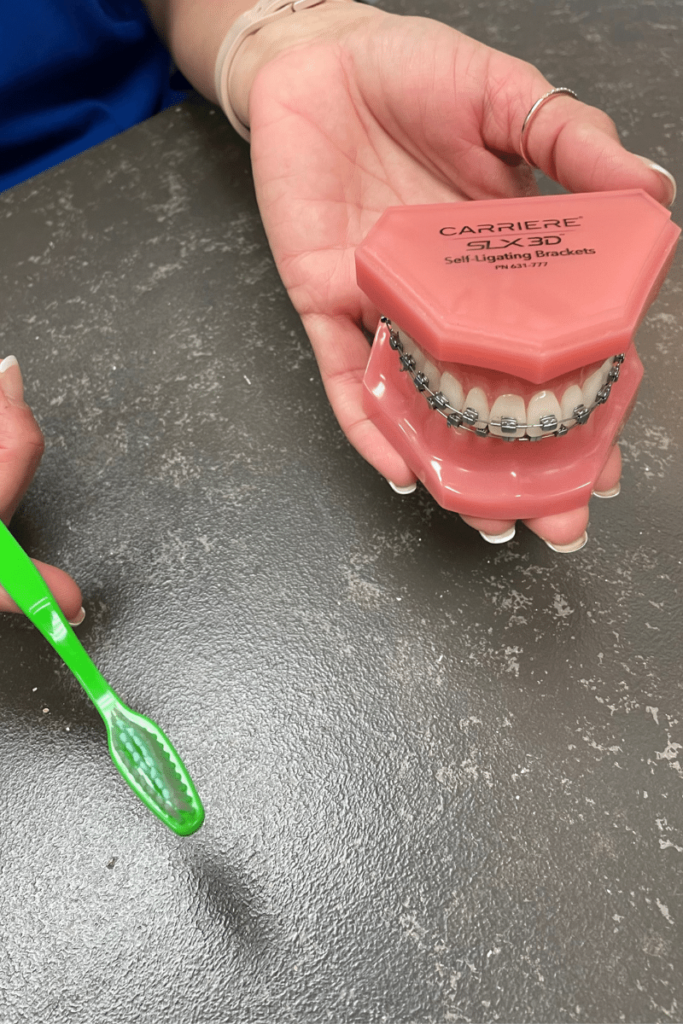
Take your time and make sure you’re cleaning above, below, and around each bracket. Following the instructions from your orthodontic team will help protect your teeth and keep your smile looking its best throughout treatment.
Remember the Food Rules
You don’t have to give up everything you love, but braces do require a few adjustments. Hard, sticky, crunchy, or chewy foods can damage brackets and wires.
Avoid things like hard candy, sticky candy, chewing ice, and other foods that could potentially break your braces. When eating harder fruits or vegetables, cutting them into smaller pieces can make them easier and safer to enjoy.
Give Yourself Time
Perhaps the most important thing to remember is that the first week is temporary.
Eating, brushing, talking, and even smiling may feel a little different at first. That’s normal. Soon, taking care of your braces will become second nature.
Your new smile is already in progress—and that’s something worth smiling about!
And don't forget: Dr. Morris and team are here for you, all along the way! So if you have any questions or concerns, do not hesitate to reach out!
At Hester & Morris Orthodontics, we want our patients to feel comfortable and prepared from day one. From day one to deband, Dr. Greg Morris and your smile team are here to help! Here’s a quick look at what you can expect when it’s time to get your braces.
Does Getting Braces Hurt?
This is probably the number-one question we hear, and the good news is that putting braces on should not hurt. There are no needles or shots involved.
Your teeth will first be cleaned and dried. Then, your orthodontic team will carefully place the brackets onto your teeth using a special adhesive. A wire is placed through the brackets to begin gently guiding your teeth into their new positions.
The appointment may take a little while, but you’ll be able to sit back and relax while your braces are placed.
What Happens Afterward?
Your teeth may begin to feel tender or sensitive several hours after your appointment. This is completely normal! Your braces are beginning to apply gentle pressure to your teeth, and your mouth needs a little time to adjust.
For the first few days, softer foods can be your best friend. Think mashed potatoes, pasta, scrambled eggs, yogurt, smoothies, soup, or other foods that don’t require a lot of chewing.
You may also notice that the brackets feel strange against the inside of your lips and cheeks at first. Your mouth usually adjusts quickly, and orthodontic wax can help with any spots that feel irritating.
Learning to Care for Your Braces
Before you leave, our team will explain how to brush and floss with braces, which foods to avoid, and what to do if you have a question or problem.
Good oral hygiene becomes especially important during orthodontic treatment because food can easily collect around brackets and wires. Taking a little extra time to brush carefully can help keep your teeth and gums healthy throughout treatment.
Most importantly, remember that braces are a temporary part of your journey. The first few days may feel different, but before long, wearing braces will simply become part of your normal routine.
And every day you wear them, you’re one day closer to the smile you’ve been waiting for!
Choosing Invisalign® for your teen offers many advantages. The clear aligners are comfortable, removable, and fit seamlessly into busy schedules filled with school, sports, and social activities. But unlike braces, Invisalign comes with one major responsibility: your teen has to wear the aligners consistently.
The good news is that most teens are more than capable of succeeding with Invisalign—especially when they have support from home. As a parent, you don't need to become the "aligner police." Instead, you can help create routines that make wearing Invisalign feel like a normal part of everyday life.
Here are some practical ways to help your teen stay compliant and keep their treatment moving forward.
Understand the "Why"
The most important thing your teen can know is that Invisalign only works when it's worn.
For treatment to stay on schedule, aligners should be worn 20–22 hours every day. Removing them too often or leaving them out for extended periods can slow tooth movement, cause aligners to fit poorly, and even extend treatment time.
Instead of focusing on rules, remind your teen of the reward: every hour they wear their aligners is one step closer to the smile they've been working toward.
Build Invisalign Into Their Daily Routine
Teens thrive on habits, especially during the school year.
Encourage them to make Invisalign part of routines they already have:
Put aligners back in immediately after breakfast.
Brush before leaving for school.
Keep their aligner case in their backpack.
Reinsert aligners immediately after lunch.
Wear them during homework, sports travel, and while relaxing at home.
Remove them only for meals, snacks, and brushing.
When wearing aligners becomes automatic, compliance improves without much extra effort.
Always Keep the Case Nearby
One of the easiest ways aligners get lost is when they're wrapped in a napkin at lunch or placed in a pocket.
Encourage your teen to make one simple rule:
If the aligners aren't in your mouth, they're in the case.
Keeping the case in a backpack, sports bag, or purse can prevent lost aligners and unnecessary delays. Even a backup case for busy days is a good idea!
Talk About Sports, Band, and Busy Schedules
Between practices, games, rehearsals, and after-school activities, it's easy for routines to get interrupted.
Help your teen plan ahead by asking questions like:
Will you be eating after practice?
Do you have your toothbrush?
Did you pack your aligner case?
Will you need a travel toothbrush today?
Planning ahead helps avoid long periods without aligners.
Make Brushing Convenient
Busy teens appreciate convenience.
Consider creating "Invisalign kits" with:
A travel toothbrush
Toothpaste
Floss picks
A small bottle of mouthwash
Their aligner case
Keep one in a backpack, one in the car, and one in a sports bag so they're always prepared.
Let Technology Do Some of the Work
Most teens are attached to their phones—use that to your advantage.
Helpful reminders include:
Phone alarms after lunch.
Calendar reminders to change aligners.
Habit-tracking apps.
Daily recurring notifications.
Our team offers the Invisalign App so patients can send in weekly scans, allowing us to monitor their progress before an issue arises! Some families also find it helpful to check in together each evening rather than asking about aligners throughout the day.
Encourage, Don't Nag
It's natural to remind your teen, but constant criticism can sometimes have the opposite effect.
Instead of saying: "You're never wearing your aligners!"
Try: "How can I help make it easier to remember?"
Positive encouragement creates teamwork instead of conflict.
Celebrate successful checkups, compliments from the orthodontic team, or a month of consistent wear. Small wins help keep motivation high.
Keep the End Goal in Sight
Orthodontic treatment can feel long when you're a teenager.
Help your child remember why they started:
A healthier bite
A more confident smile
Improved oral health
Finishing treatment on time
Looking back at progress photos every few months can be incredibly motivating. It's often easier to appreciate the changes when you can see how far they've already come.
Partner With Your Orthodontic Team
One of the greatest advantages of Invisalign is that your orthodontic team can often identify signs of inconsistent wear before they become major setbacks.
If your teen is struggling, don't worry—you aren't alone. Be honest with us. Together, we can find practical solutions that fit your teen's lifestyle and help them get back on track.
Success Starts at Home
At Hester & Morris Orthodontics, we know that successful Invisalign treatment is a team effort. Our doctors provide the treatment plan, your teen provides the commitment, and parents provide the encouragement that keeps everything moving in the right direction.
With a little planning, positive reinforcement, and consistent routines, most teens do an excellent job with Invisalign. Every day they wear their aligners as directed brings them one step closer to a healthy, confident smile that will last a lifetime.